Samuel Davis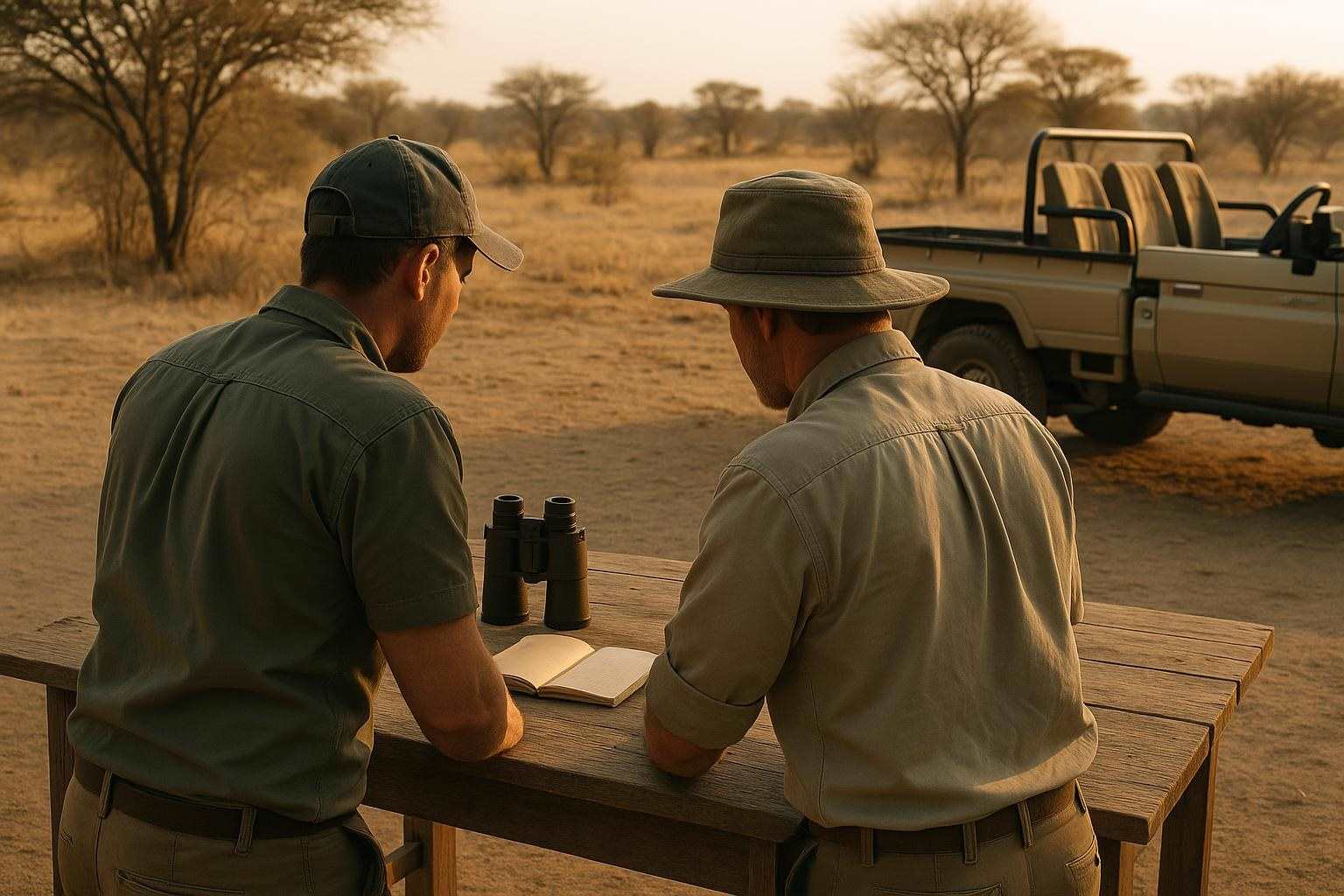
The Ethical Consideration, in Safari Planning: A Approach to Changing Conditions
When getting ready for a safari it's important to think ahead about the situations that would make it right to not take a hunting chance even if it is allowed by the law. Things like the actions of animals changes in the light not being sure about what you're seeing or new information from your guide can quickly make a situation into a hard choice. Of trying to remember a list of steps focus on creating clear lines, possible questions and signals that help you make calm and careful choices when things change fast.
Define Your Hunting Criteria Before You Leave
A safari plan is more than listing the animals you want to see. Take time to explain what is important for your hunt for each animal you are after. This includes being sure about what you're looking at seeing if the animal is old enough having a place to shoot and enough time to make a smart decision. If any of these things are not good enough promise to wait or not take the chance before you start.
Having this talk is an part of getting ready for your trip to Africa. Talk with your guide about how you will know what you are looking at in places what information you can check before you shoot and the situations that might make it hard to see clearly. It is not necessary to make your trip into a class. Knowing what uncertainty looks like and who has the right to stop everything is very important.
Think about writing down your thoughts on the following:
– The animals or features I am willing to consider
– The situations that would make me stop
– The signals or words that mean "wait" or "no shot"
– The papers and rules that I need to check
– The person who makes the decision about safety
Having these notes with you can be very helpful because excitement and tiredness can make it hard to think clearly. A clear line set when you are calm is easier to follow than a choice made when you are under pressure.
Foster Clear Communication with Your Guide
Talking with your guide is not about giving instructions; it is a way to work together when there are questions. Before you start agree on words that cover what you are looking at when to wait, when to stop and how to tell if something is unsafe. Make sure your guide explains what happens if you can't talk because you are away or if you can't see well or if something unexpected happens.
Ask questions because vague ones can lead to answers. Of asking, "Is that the animal?" ask, "What specific thing are we checking?" or "What has changed since we first saw it?" This way you get answers without making your guide feel like you are not trusting them.
Knowing how to signal a stop is also important. Whether it is raising a hand saying a word or staying where you are the meaning should be clear ahead of time. If you feel you are being pushed fast say so. Words like, "I need a view " or "I don't feel comfortable with this shot " can show your need without having to say sorry.
Approaching Identification with Care
A shape in the distance can look like the thing. Proper identification needs more than a quick look. Things like the kind of animal the gender if it matters, important features, how it acts, where it is and if other animals are near can all help. If any of these are hidden by light, trees, dirt or distance the doubt should be taken seriously.
With glasses you can't fix every problem with seeing. A clear look at the animal still leads to a choice. Ask your guide what they see that you might miss and tell them if you are having a time seeing especially if the animal moves from area into thick trees or if similar animals are grouped together.
A careful hunter should be ready to take a step. If needed move a bit change your spot or wait for a view. Only if your guide says it is safe and allowed. The goal is not to force a decision when you're not sure but to avoid making a choice when you are not certain.
Evaluate Opportunities Against Changing Conditions
Some of the choices come when something that was possible becomes harder. A sudden change in the wind a hunting area, a place behind you a storm coming or not seeing well can all make your plans harder. Remember that just because you have permission doesn't mean you have to act every time.
Ask yourself three questions: Is the identification still right? Are the safety conditions good? Would I make the choice if I wasn't under pressure to finish this part of the trip? If any of these answers are not sure it is okay to stop and think again. You might have to wait miss a chance or change your plan but these are better than making a choice when you are stressed or thinking about money.
Your guide may say to keep going even if you're not sure. Listen to their reasons. Don't be afraid to say what you need. Being polite and different is part of staying informed. It doesn't hurt teamwork.
Stay Updated on Regulations
Safari rules can change a lot because of the time of year how many people are allowed, the papers you need places that are protected and local wildlife rules. Don't rely on information or what you did before. Before your trip check the rules from wildlife or government sites and talk to local experts about any papers or rules that matter to your plan.
Keep checking when you arrive. Ask if there are any changes since you made your plans and always have copies of the papers you need. If you are not sure about the rules in the field. Ask for help of thinking silence means you can go ahead.
Being legal doesn't mean you don't have to make sure your choices follow the rules for protecting animals and match what is happening with the wildlife you might be looking at.
Supporting Conservation Through Thoughtful Decisions
Conservation is more than the end of a hunt. Taking time to stop can help you make choices reduce the chance of a decision and create a space where guides, hunters and local people can talk about unsure things without pressure. It also helps plan for trips.
At the end of the day think about what made you change your plan. Was the view not good? Were your plans not ready? Did something not make sense. Was there a rule you missed? Write down what you learned while it is fresh and change your questions and rules for your trip.
In hunting the focus is not just on how you decide not to shoot. It is about making sure your choices are based on seeing being safe following the rules and truly respecting animals and the people around you. Sometimes the best choice, in the field is to leave the plan unfinished.